

Growing a full, thick beard is not simply a matter of throwing away your razor and hoping for the best; it requires a specific genetic and physiological profile. Realistically, figuring out who qualifies as a true beard candidate involves looking closely at several underlying factors, from follicle density to hormonal receptors. While society often tells us that any man can grow a majestic mane, the biological reality is far more selective. The truth is that facial hair depends heavily on an individual's unique biological blueprint, making some individuals ideal candidates while leaving others struggling with patches and thin coverage. Recognizing these essential qualifiers is the first step toward managing your expectations and optimizing your personal grooming routine.
The primary factor that determines whether someone qualifies as a top-tier beard candidate is genetic predisposition. Genetics inherently control the pattern, thickness, and maximum length that your facial hair can naturally achieve. If the male members of your immediate family possess thick, full beards, you are statistically far more likely to qualify as a strong candidate. Nevertheless, this genetic lottery is not always straightforward, as genes can skip generations or combine in unexpected ways. This means that even if your close relatives struggle to grow facial hair, you might still possess the necessary genetic markers for success. One must understand that no amount of oils, creams, or supplements can override a fundamental lack of genetic coding for facial hair. Examining your family tree offers the most reliable initial preview of your natural beard-growing potential.
Beyond genetics, androgen levels—specifically testosterone and dihydrotestosterone, or DHT—play a massive role in deciding who qualifies. These specific androgens serve as the chemical triggers that transform fine, barely visible vellus hair into thick, dark terminal hair. Interestingly, having high testosterone levels does not automatically guarantee a thick beard; the real secret lies in your androgen receptors. When the follicles on your face lack a high sensitivity to DHT, even optimal hormone levels will not produce the desired growth. This biological mechanism clarifies why individuals with exceptional health and fitness still experience patchy or nonexistent facial hair coverage. Conversely, men with average hormone levels might grow dense beards simply because their receptors are highly responsive to chemical signals. Ultimately, receptor responsiveness acts as the main factor that determines who qualifies for a robust and even beard.
Age and maturity represent another critical dimension when evaluating potential beard candidates. Optimal beard development rarely occurs during the late teenage years or even the early twenties for most men. In a significant number of cases, facial hair continues to fill in, thicken, and mature well into their late twenties and mid-thirties. An individual experiencing a patchy jawline at twenty-one might find himself fully qualified for a thick beard by the time he reaches thirty. This slow developmental timeline requires an immense amount of patience and persistent tracking over several years. Evaluating your final beard capabilities too early in life often leads to false conclusions and unnecessary frustration. Allowing your physical profile sufficient time to mature is a mandatory requirement for any serious beard candidate.
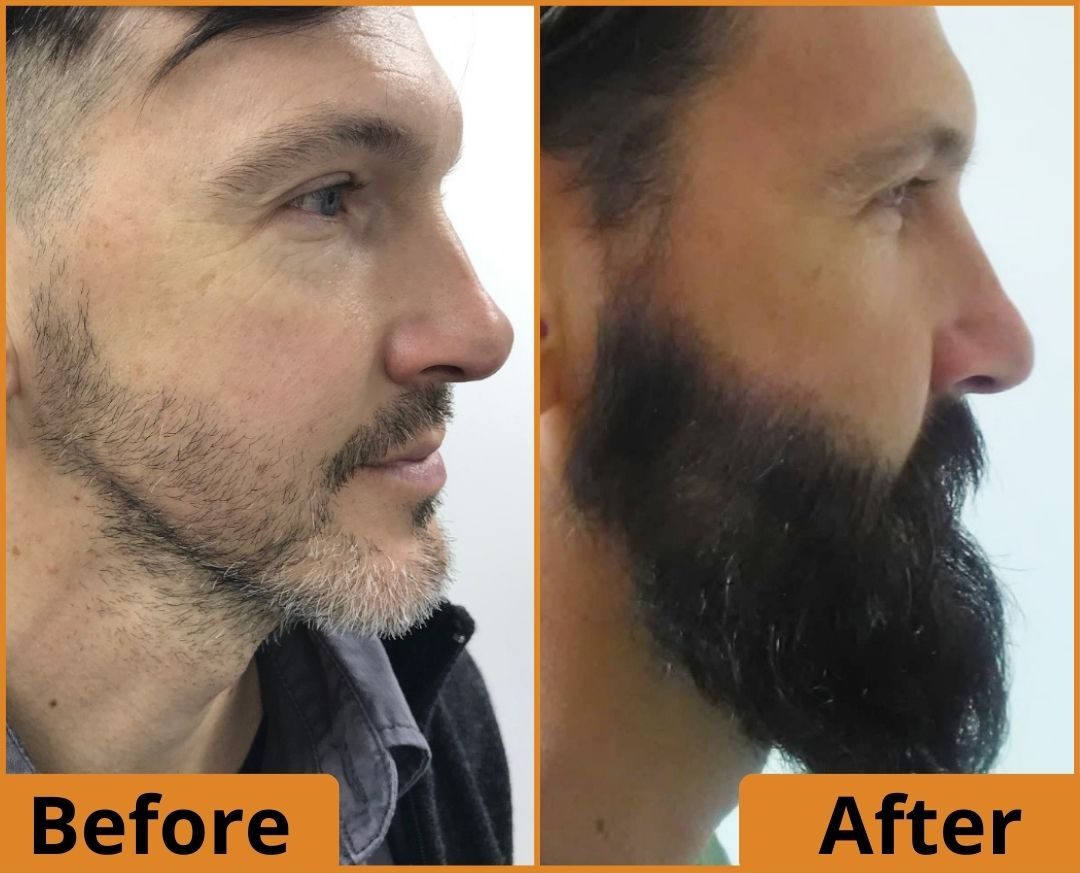
Follicle distribution and spacing across the cheeks, chin, and jawline also dictate who qualifies. The ideal beard candidate exhibits a dense, uniform arrangement of hair follicles across the lower half of the face. When follicles are spaced too far apart, the resulting growth will naturally look thin, wispy, or noticeably sparse. Although clever grooming strategies and increased length can sometimes camouflage minor patches, they cannot create coverage where follicles do not exist. An individual can evaluate their structural density by allowing their facial hair to grow completely untouched for at least four to six weeks. beard transplant reveals the true map of your follicle layout, showing exactly where you qualify and where your coverage limitations lie. Careful self-assessment during this timeframe prevents the common mistake of chasing an unrealistic beard style.

Lifestyle factors, while secondary to genetics and hormones, heavily influence whether a candidate qualifies to reach their maximum growth potential. A body that is chronically sleep-deprived, highly stressed, and poorly nourished will struggle to support optimal hair growth functions. Essential nutrients like biotin, zinc, and iron are vital building blocks for healthy, strong hair strands. In addition, consistent physical activity enhances circulation, delivering these critical nutrients directly to the facial hair follicles. Prolonged psychological stress elevates cortisol production, which can actively disrupt the natural growth cycles of your hair. By optimizing your daily habits, you ensure that your body is fully capable of backing up your genetic potential, helping you qualify for the best version of your beard.
Ethnicity and geographical ancestry also contribute significantly to the criteria defining beard candidates. Various ethnic groups across the globe display wildly divergent characteristics regarding facial hair density, texture, and growth patterns. For example, individuals with Mediterranean or Middle Eastern descent frequently exhibit dense, fast-growing facial hair that covers a wide surface area. Meanwhile, individuals of East Asian or Native American heritage often experience lighter, more localized growth patterns concentrated around the mouth. These variations are completely natural and reflect thousands of years of evolutionary adaptation to different climates and environments. Understanding your specific heritage allows you to set realistic expectations and choose styles that complement your natural growth rather than fighting against it. True qualification is always relative to your individual biological baseline rather than a universal standard.
Ultimately, identifying who qualifies as a successful beard candidate comes down to an honest intersection of biology, time, and care. No single factor operates in isolation; genetics provide the foundation, hormones act as the catalyst, and patience allows the process to unfold. When an individual has the fundamental density and gives their facial hair the time it needs to mature, they will undoubtedly qualify for a great look. For those who fall short on genetic density requirements, exploring shorter styles like stubble or a well-defined goatee remains an excellent alternative. Working with your unique biological reality, whatever it may be, is the true mark of a sophisticated and confident modern gentleman. By understanding the science behind growth, every man can make informed decisions and proudly wear the style he is truly qualified to achieve.